


Are Personal Loans Dischargeable in Bankruptcy? What Borrowers Need to Know
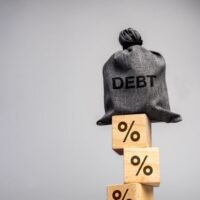
Personal loans can become hard to manage quietly at first. A payment that once fit the monthly budget may start competing with rent, utilities, groceries, transportation, and other necessary expenses. Once missed payments turn into collection calls, lawsuit threats, or a judgment, the loan no longer feels like a private financial problem. It begins affecting the household’s ability to keep up.
Even without collateral, a personal loan lender can still use the courts to collect. A lender or collection agency may sue, obtain a judgment, garnish wages, or try to levy a bank account. Once a personal loan has moved beyond missed payments and into collection, working with an experienced Los Angeles personal loan debt settlement lawyer can help determine whether bankruptcy may offer relief before another payment arrangement drains money without resolving the debt.
Most Personal Loans Are Treated Like Unsecured Debt
A personal loan is usually based on a borrower’s promise to repay money borrowed from a bank, credit union, online lender, finance company, or private lender. When the loan is unsecured, the lender does not have a specific piece of property to repossess if payments fall behind. The lender’s pressure usually comes through default notices, collection calls, credit reporting, and court action.
An unsecured personal loan does not carry the same property risk as a debt tied to a car or home. A car loan can put the vehicle at risk. A mortgage can put the home at risk. A standard unsecured personal loan is usually treated more like credit card debt or medical debt.
The paperwork can change the answer. Some personal loans include a co-signer, a security interest, or language that gives the lender more rights than the borrower remembers. A loan that sounded simple when it was signed can look different once the agreement, payment history, and collection paperwork are reviewed together.
Chapter 7 Can Wipe Out Many Personal Loans
Chapter 7 bankruptcy can discharge many unsecured personal loans when the borrower qualifies. After discharge, the borrower is no longer personally responsible for paying eligible discharged debts, and the creditor can no longer keep trying to collect the discharged balance.
For a borrower trying to keep up with personal loan payments while other bills fall behind, that discharge can be a major turning point. Money going toward an unaffordable loan may be needed for housing, food, utilities, transportation, and other basic needs. Chapter 7 can provide relief when the personal loan is part of a larger unsecured debt problem.
Accuracy in the bankruptcy paperwork still matters. The lender, collection agency, lawsuit, judgment, or assigned debt buyer should be identified as clearly as possible. Clean schedules help avoid confusion about who received notice and which debt was included in the case.
Chapter 13 Can Put Personal Loans Into a Repayment Plan
Chapter 13 bankruptcy gives the borrower a different kind of relief. Instead of dealing with the personal loan lender as a separate monthly emergency, the borrower makes plan payments through a court-supervised repayment structure.
A personal loan is often treated as an unsecured claim in that plan. The lender may receive only part of the balance, depending on the borrower’s income, assets, expenses, and the rules that apply to the case. During the plan, the lender generally cannot keep demanding direct payment outside the bankruptcy process.
At the end of a completed Chapter 13 plan, 11 U.S.C. § 1328 governs the discharge of eligible remaining debts. Chapter 13 can be especially useful when the borrower needs time to catch up on secured debt, stop a garnishment, or protect property while dealing with personal loan balances.
Recent Borrowing Can Raise Discharge Questions
Most unsecured personal loans are dischargeable, but recent borrowing can create closer questions. A lender may object if it believes the borrower obtained the loan through fraud, false information, or a written financial statement that was materially inaccurate.
A lender raising that objection is usually relying on 11 U.S.C. § 523, which addresses debts that may be excluded from discharge. In a personal loan case, the focus often falls on the application, the timing of the borrowing, and what the borrower told the lender. Recent income figures, listed debts, loan purpose, refinances, or written statements may become important.
A borrower should not assume every lender objection will succeed. Creditors must prove the basis for excluding a debt from discharge. Still, a recent personal loan should be reviewed before filing, especially if the application included information the lender may later challenge.
A Co-Signer May Still Be Responsible
A bankruptcy discharge protects the person who files. It does not automatically erase another person’s responsibility on the same personal loan. If a parent, spouse, friend, or business partner co-signed the loan, the lender may still pursue that co-signer after the borrower files bankruptcy.
That can put pressure on someone who signed only to help the borrower qualify. The borrower may need debt relief, while the co-signer may be worried about collection calls, credit damage, or a lawsuit. Before filing, the borrower should know whether the lender can still pursue the co-signer after the case begins.
Chapter 13 may offer additional protection for certain co-signed consumer debts while the repayment plan is active. That protection depends on the facts and the type of debt. A co-signed personal loan should be reviewed carefully before it is treated like an ordinary unsecured account.
Settlement Can Help When It Actually Resolves the Loan
Debt settlement may be an option when the borrower has funds available, and the lender is willing to accept less than the full balance. A written settlement can resolve a personal loan outside bankruptcy when the payoff is affordable, and the agreement clearly releases the remaining balance.
Settlement becomes risky when it only buys time. A lender does not have to accept a reduced payoff. A settlement discussion does not automatically stop a lawsuit, wage garnishment, or bank levy. If several debts are unpaid, resolving one personal loan may not relieve the pressure from other creditors.
A forgiven portion of a settled loan can also raise tax concerns. Canceled debt may be treated as income unless an exception or exclusion applies. Settlement can still be useful, but the forgiven balance should be part of the cost calculation before the borrower agrees to the payoff.
Collection Timing Can Change the Best Option
A personal loan problem becomes more urgent when the account moves from ordinary billing into legal collection. A collection letter may be manageable. A lawsuit requires a faster response. A judgment can lead to wage garnishment or a bank levy, which can affect the household before the borrower has time to recover.
Bankruptcy can change that timeline. Once a bankruptcy case is filed, the automatic stay under 11 U.S.C. § 362 generally stops most ordinary collection activity. For a personal loan that has already turned into a lawsuit, garnishment, or judgment, that pause can give the borrower room to address the debt through the bankruptcy case.
Settlement may still be possible before legal collection escalates. After a judgment, the borrower may have fewer practical options and less negotiating power. Comparing bankruptcy and settlement before a judgment reaches wages or bank accounts usually leaves more room to choose the next step.
Loan Documents Can Change the Debt Relief Strategy
A personal loan should be reviewed for more than the current balance. The agreement may show that the loan is not as simple as it first appeared. A co-signer, collateral language, recent borrowing, or application statements can change how the debt is handled.
Collection paperwork can also reveal who currently owns or controls the debt. A loan still with the original lender may call for a different response than a debt assigned to a collection law firm. A judgment, default notice, or settlement offer can change the urgency of the decision.
Before a personal loan becomes harder to control, guidance from a knowledgeable Los Angeles personal loan debt settlement lawyer can help clarify how the debt is likely to be treated before wages, bank accounts, or a co-signer become part of the problem.
Contact Wadhwani & Shanfeld
If personal loan payments have become unaffordable, you should not have to guess whether bankruptcy can discharge the debt or whether settlement will leave you in a better position. A lender may be demanding payment now, but the loan documents, collection history, and household budget can change what relief is available.
At Wadhwani & Shanfeld, our dedicated personal loan debt settlement attorneys help individuals and families throughout Los Angeles and across Southern California respond to unaffordable loan debt with care and urgency. Contact us today to schedule a consultation with a Los Angeles personal loan debt settlement lawyer and learn how we can help you move forward with a strategy that fits your financial reality.
Sources:
- 11 U.S.C. § 523 – Exceptions to Discharge
law.cornell.edu/uscode/text/11/523 - 11 U.S.C. § 1328 – Chapter 13 Discharge
law.cornell.edu/uscode/text/11/1328 - 11 U.S.C. § 362 – Automatic Stay
law.cornell.edu/uscode/text/11/362 - United States Courts – Chapter 7 Bankruptcy Basics
uscourts.gov/court-programs/bankruptcy/bankruptcy-basics/chapter-7-bankruptcy-basics - United States Courts – Chapter 13 Bankruptcy Basics
uscourts.gov/court-programs/bankruptcy/bankruptcy-basics/chapter-13-bankruptcy-basics
